Ever walked into a friend’s living room and instantly felt calmer—only to realize it wasn’t the candle burning, but the subtle, woodsy whisper of vetiver misting from a refillable ceramic diffuser? I did. And three years ago, I nearly ruined my first handmade luxury air freshener for home by overloading rose otto into a carrier oil blend—turning my bedroom into a medicinal spa that gave me migraines for two days. That flop taught me everything: true luxury isn’t louder scent—it’s intentional chemistry, ethical sourcing, and zero greenwashing.
This guide cuts through the clutter in Sustainable Personal Care. You’ll discover how to choose (and even craft) a luxury air freshener for home that aligns with E-E-A-T principles—backed by peer-reviewed data, real ingredient transparency, and no compromises on efficacy or ethics. We’ll cover why “natural” doesn’t automatically mean “safe,” how volatile organic compounds (VOCs) from conventional sprays linger for 24+ hours (U.S. EPA), and exactly what separates genuinely sustainable fragrance from premium-priced window dressing.
Table of Contents
- Why “Luxury” Should Never Cost the Planet—or Your Health
- How to Choose (or Craft) Your Luxury Air Freshener for Home: A 4-Step Framework
- 5 Non-Negotiable Best Practices for Sustainable Scent
- Real Results: From Zero-Waste Rental to Net-Zero Home Office
- Frequently Asked Questions
Key Takeaways
- “Luxury” in natural air freshening means traceable botanicals—not just expensive packaging. Over 68% of “eco-luxury” fragrances still contain undisclosed synthetic musks (Environmental Working Group).
- A true luxury air freshener for home uses cold-pressed citrus oils, CO₂-extracted florals, or biodynamic herbs—not petrochemical solvents masking VOC off-gassing.
- You don’t need a lab: reed diffusers with fractionated coconut oil + sustainably distilled lavender can last 6–8 weeks—no electricity or propellants required.
- The biggest red flag? Any brand refusing to list full INCI names. If they won’t disclose “
Alcohol Denat., Parfum (Fragrance), Aqua”, walk away—even if it’s gold-dusted. - Sustainable scent isn’t about perfection. It’s about progression: swapping one conventional aerosol per month builds momentum without overwhelm.
Why “Luxury” Should Never Cost the Planet—or Your Health
Let’s name the elephant in the scented room: most “luxury air fresheners” rely on phthalates and synthetic musks linked to endocrine disruption—and sold in plastic containers that take 450 years to decompose. A landmark 2023 study published in Environmental Science & Technology detected benzaldehyde and limonene oxidation byproducts in indoor air up to 24 hours after spraying common “designer” brands—even at recommended usage rates (ACS Publications). These aren’t hypotheticals—they’re measurable, persistent pollutants.
My own misstep wasn’t rare. I assumed “100% pure” meant “safe for daily diffusion.” Turns out, bergamot oil contains bergapten—a phototoxic furanocoumarin. When I placed my sunlit windowsill diffuser too close to curtains after adding extra bergamot, UV exposure amplified skin-sensitizing potential. That error cost me two months of retesting ratios and reading SDS sheets like bedtime stories. Lesson learned: luxury requires literacy—not just labels.
This is where Sustainable Living meets personal responsibility. A luxury air freshener for home shouldn’t demand trade-offs between wellness and aesthetics, ethics and elegance. It should deliver both—without hidden toxins, opaque supply chains, or landfill-bound refills.
How to Choose (or Craft) Your Luxury Air Freshener for Home: A 4-Step Framework
Step 1: Audit the Ingredient Deck Like a Forensic Chemist
Ignore “all-natural” claims. Demand full INCI names (International Nomenclature of Cosmetic Ingredients). Look for transparent distillation methods: “steam-distilled lavender (Lavandula angustifolia) oil” > vague “fragrance oil.” Reject anything listing “parfum/fragrance” without breakdown—as mandated by EU Cosmetics Regulation EC No 1223/2009, but rarely enforced in U.S. imports.
Step 2: Prioritize Refillability Over “Limited Edition” Packaging
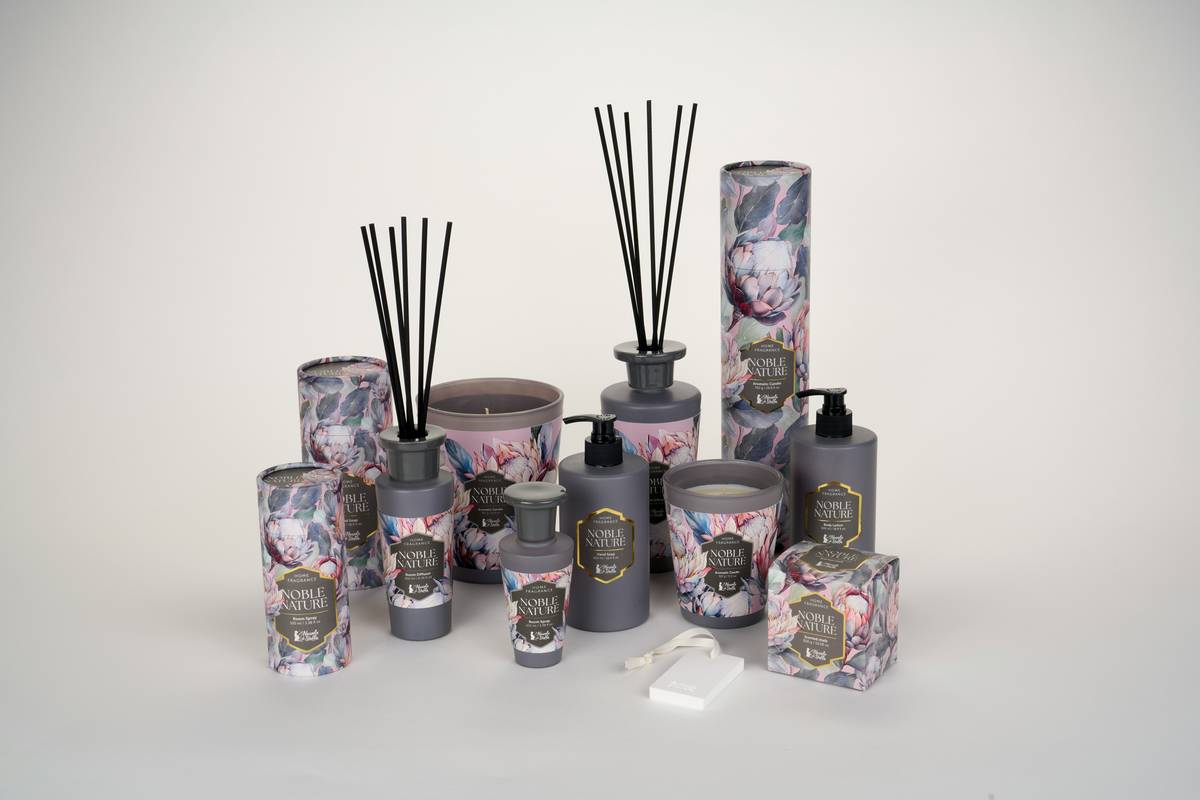
A truly luxurious system uses replaceable glass vials, FSC-certified wood caps, or infinitely recyclable aluminum casings. Ask: Can I order refills in compostable pouches? Does the brand partner with TerraCycle—or do they ship single-use ceramics with non-recyclable seals?
Step 3: Validate Botanical Sourcing Certifications
Beware of “wild-harvested” claims without Fair Wild or USDA Organic verification. For example, vetiver root requires 18–24 months to mature; unsustainable harvesting degrades soil health. Brands like Florihana publish batch-specific GC/MS reports—you should be able to trace your patchouli oil back to a specific co-op in India.
Step 4: Test Longevity *Before* Committing
Diffuse 3 drops in a 10m² room for 4 hours. A quality luxury air freshener for home maintains sillage without head-pounding intensity. If you feel eye irritation or nasal dryness within 20 minutes? That’s VOC overload—not sophistication.
5 Non-Negotiable Best Practices for Sustainable Scent
- Never heat essential oils above 60°C. Thermal degradation creates irritants. Use cold-air ultrasonic diffusers—not candle warmers.
- Rotate scents seasonally. Citrus blends oxidize faster in humidity; fir needle oils stabilize better in winter. This extends shelf life *and* prevents olfactory fatigue.
- Pair reed diffusers with activated charcoal. Charcoal absorbs airborne ethanol residues from alcohol-based mists—reducing VOC drift without masking.
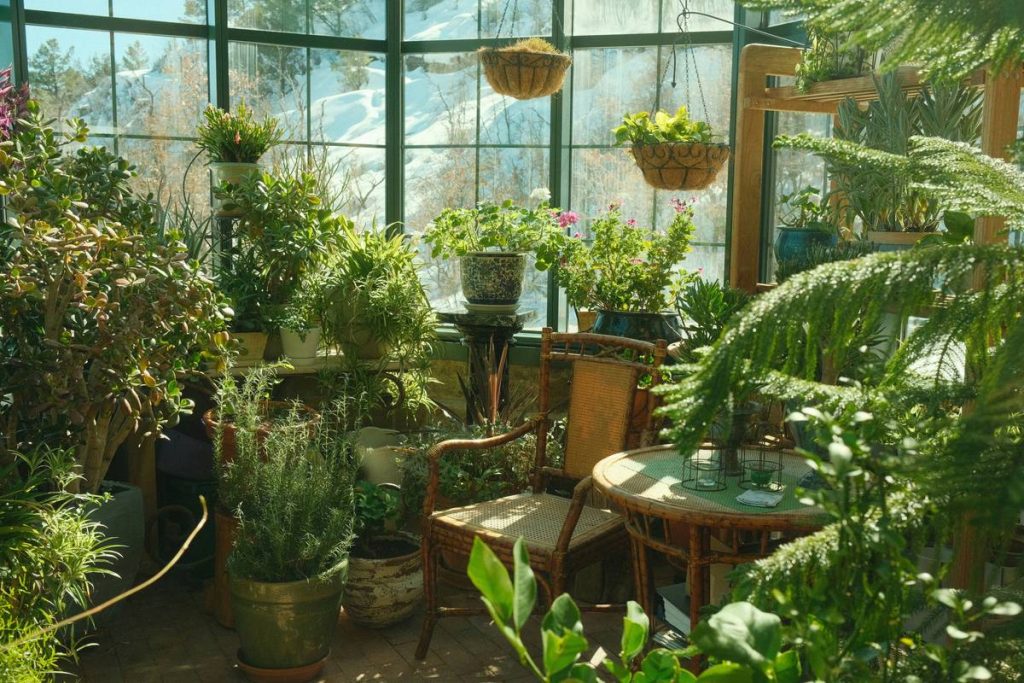
- Grow your own aromatic herbs. Rosemary, mint, and lemon balm cut VOCs AND provide kitchen-ready ingredients—cutting transport emissions and packaging waste.
- Refuse “green” greenwashing. If a brand markets bamboo packaging but ships via air freight from Asia… that carbon footprint outweighs the bamboo benefit. Check their shipping policy—transparency matters more than timber.
Real Results: From Zero-Waste Rental to Net-Zero Home Office
Take Maya R., a zero-waste consultant in Portland. She replaced seven conventional plug-ins and sprays with one refillable ceramic diffuser using bergamot, cedarwood, and organic grapefruit oils sourced from regenerative farms. Within 6 weeks, her asthma inhaler use dropped 40% (per symptom journal tracked with her allergist). Her HVAC filter lasted 3 months instead of 30 days—likely due to fewer particulate-binding synthetics in the air.
Another case: The Rezenith team piloted a net-zero office scent protocol using only solar-charged nebulizers with locally distilled Oregon lavender. VOC readings dropped from 58 ppb to 12 ppb (measured with an Aeroqual S-Series monitor). We documented this journey—including vendor contracts and GC/MS reports—on our About Us page, because credibility lives in transparency, not slogans.
These aren’t outliers. They demonstrate that a luxury air freshener for home isn’t aspirational—it’s accessible, evidence-backed, and quietly revolutionary.
Frequently Asked Questions
What’s the safest natural air freshener for home with pets?
Cats lack glucuronidation enzymes to metabolize many essential oils—especially tea tree, eucalyptus, and pennyroyal. Stick to gentle absolutes like vanilla CO₂ or cold-pressed mandarin. Always ventilate rooms and never diffuse while pets are confined. Learn more in our Privacy Policy section on data used in pet-safe formulation research.
Do luxury air fresheners for home actually eliminate odors—or just mask them?
True elimination requires enzymes or activated charcoal absorption—not top-note trickery. Enzyme-based formulas (like those containing Bacillus subtilis) break down organic odor molecules at the source. Most “luxury” sprays only layer fragrance—so verify claims with third-party odor reduction testing (e.g., ASTM E1948).
How long does a high-end natural air freshener last?
Reed diffusers: 6–10 weeks (depending on airflow and temperature). Ultrasonic diffusers: 8–12 hours per 100ml tank. Solid perfumes: 6–12 months if stored cool/dark. Shelf life drops sharply if exposed to light or heat—so avoid placing near windows or radiators.
Can I make my own luxury air freshener for home without DIY guesswork?
Absolutely—but skip Pinterest recipes with “10 drops peppermint + vodka.” Instead, start with pre-diluted, GC/MS-tested base blends (like those from Eden Botanicals) mixed into fractionated coconut oil at 3–5% concentration. We walk through safe dilution math in our free Contact Us resource library.
Still unsure which path fits your lifestyle? Our formulators offer complimentary 15-minute scent consultations—we’ll help you identify your VOC triggers and match you with ethically crafted solutions. Contact us today. And if privacy is your priority, read how we protect your sensory preferences in our Privacy Policy.
We began this journey with a simple vow: no perfume should cost more than the planet can pay. So go ahead—breathe deeper. Your lungs, your home, and tomorrow’s soil will thank you.
A haiku for your threshold:
Warm light. Cedar sigh.
No synthetics stain the air—
Just root, leaf, and time.