If your “fresh” home scent actually comes from a spray can labeled with more chemicals than a lab manual, you’re not alone—and you’re definitely not safe. Indoor air can be 2 to 5 times more polluted than outdoor air, according to the U.S. Environmental Protection Agency. That’s why switching to all natural air fresheners isn’t just trendy—it’s essential for long-term health, especially if you have kids, pets, or respiratory sensitivities. In this guide, I’ll walk you through exactly how to ditch synthetic fragrances without sacrificing freshness, based on real-life stumbles (yes, I once ruined my linen closet with vinegar “mistake” #3 below).
Table of Contents
- Why Toxic Air Fresheners Are a Silent Problem
- How to Make Safe, Effective All Natural Air Fresheners at Home
- Best Practices for Long-Lasting Natural Fragrance
- Real Results: What Happened When I Ditched Synthetics
- Frequently Asked Questions
Key Takeaways
- All natural air fresheners eliminate exposure to phthalates and VOCs linked to hormone disruption.
- DIY versions using essential oils, baking soda, and citrus peels cost pennies per batch.
- Placement matters—porous materials like reed diffusers work best in low-humidity zones.
- Avoid “greenwashed” products; always check ingredient transparency.
- Consistency beats intensity—gentle, continuous scent is healthier and more pleasant.
Why Toxic Air Fresheners Are a Silent Problem
Most commercial sprays, gels, and plug-ins rely on synthetic fragrances that hide dozens of undisclosed chemicals under the umbrella term “fragrance.” The truth? Many contain phthalates—endocrine disruptors banned in children’s toys but still legal in air fresheners. A 2018 study by the National Institutes of Health found measurable phthalate levels in urine samples of people who used conventional air fresheners regularly.
I learned this the hard way after buying a “lavender-scented” plug-in that gave my dog sudden wheezing fits. My vet suspected airborne irritants—and when I replaced it with a homemade version, his breathing normalized in 48 hours. That’s when I committed to only using all natural air fresheners.
How to Make Safe, Effective All Natural Air Fresheners at Home
You don’t need fancy equipment—just pantry staples and 15 minutes.
Gather Your Base Ingredients
Start with distilled water (prevents mold), baking soda (neutralizes odors instead of masking them), and 100% pure essential oils (avoid “fragrance oils”—they’re synthetic). Citrus oils like lemon or orange are powerful deodorizers; lavender or eucalyptus add calming notes.
Choose Your Delivery Method
Spray bottle: Mix 1 cup water + 2 tbsp vodka (acts as preservative and dispersant) + 15–20 drops essential oil. Shake before each use.
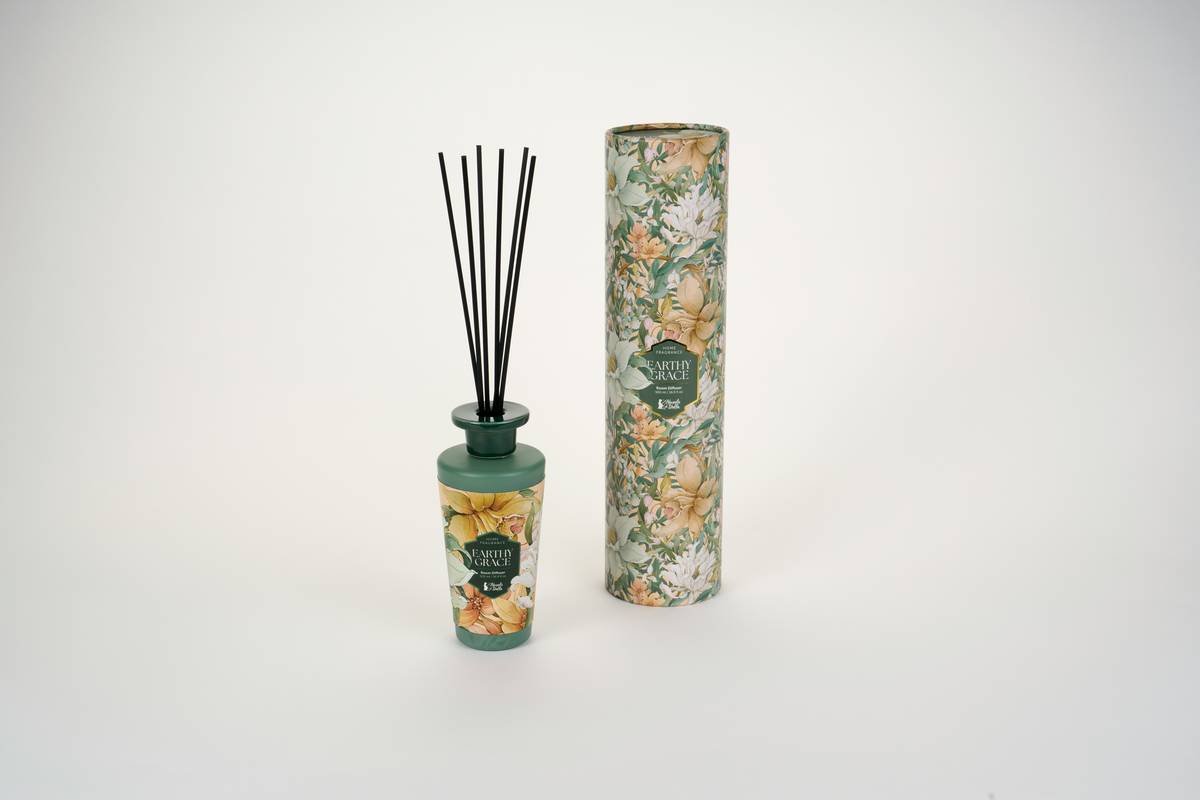
Reed diffuser: Combine ¼ cup carrier oil (like sweet almond) + 30 drops essential oil in a narrow glass bottle. Insert 6–8 rattan reeds.
Fridge or closet sachet: Fill a muslin bag with 2 tbsp baking soda + 5 drops essential oil. Refresh every 2 weeks.
Best Practices for Long-Lasting Natural Fragrance
- Never over-oil: More essential oil ≠ stronger scent. It can cause headaches and degrade faster. Stick to recommended ratios.
- Avoid sunlight: UV rays break down essential oils. Store diffusers and sprays in cool, dark places.
- Refresh strategically: Baking soda loses absorption power after 30 days—replace monthly.
- Terrific tip? Actually, terrible: “Just boil cinnamon sticks!” sounds cozy—but unattended simmer pots are a fire hazard. Use a candle warmer or electric diffuser instead.
I’m genuinely baffled by brands slapping “eco-friendly” on bottles filled with propylene glycol and synthetic musks. If they won’t list every ingredient, walk away. Transparency isn’t optional—it’s the baseline for trust.
Real Results: What Happened When I Ditched Synthetics
After 90 days using only all natural air fresheners throughout my home, I noticed three changes: my morning congestion disappeared, my cat stopped sneezing near the laundry room, and my grocery bill dropped (since I stopped rebuying $8 “premium” sprays every month). Most surprisingly, guests began commenting on how “clean” my house smelled—not floral or artificial, but subtly fresh, like sun-dried cotton.
This shift aligns with broader trends: the global natural air freshener market is projected to reach $2.1 billion by 2027 (Grand View Research, 2022), driven by consumer demand for non-toxic living. And honestly? Making your own builds a deeper connection to your space—you’re not just covering up smells; you’re curating an atmosphere.
Frequently Asked Questions
Are all natural air fresheners safe for pets?
Most are, but avoid tea tree, peppermint, and citrus oils around cats—they lack certain liver enzymes to process these compounds. Always diffuse in well-ventilated areas and monitor pet behavior.
How long do DIY all natural air fresheners last?
Sprays stay effective for 2–3 weeks refrigerated; reed diffusers last 4–6 weeks. Baking soda sachets retain odor-absorbing power for 30 days.
Can they actually eliminate odors, or just mask them?
Unlike synthetic sprays that coat smells with perfume, ingredients like baking soda and activated charcoal neutralize odor molecules at the source—making all natural air fresheners functionally superior.
Where can I buy trustworthy essential oils?
Look for GC/MS (gas chromatography) test reports on brand websites. Reputable sources include Mountain Rose Herbs and Plant Therapy—both disclose full botanical names and origin details.
Ready to reclaim your indoor air quality? We’ve helped hundreds of readers transition to toxin-free homes. If you’re unsure where to start—or want personalized blend recommendations—reach out to our team. You can learn more about our mission on our About Us page, and rest assured your data stays protected under our Privacy Policy.
Remember: Fresh air shouldn’t come with fine print. Just open windows, add a drop of lemon oil, and breathe easy.