Have you ever sprayed a commercial air freshener only to get a headache minutes later? You’re not imagining it—many “fresh-scented” aerosols contain volatile organic compounds (VOCs) linked to respiratory irritation and indoor air pollution, according to the U.S. Environmental Protection Agency. If you’re shifting toward sustainable personal care, swapping out synthetic sprays for an eco friendly option natural air freshener isn’t just trendy—it’s a health necessity. In this guide, we’ll walk you through why conventional fresheners fail, how to make or choose non-toxic alternatives, and real strategies that actually purify your space without greenwashing.
Table of Contents
- Why Conventional Air Fresheners Are Harming Your Home
- How to Create or Choose an Eco Friendly Option Natural Air Freshener
- 5 Best Practices for Long-Lasting, Non-Toxic Freshness
- Real Results: What Happened When I Switched for 30 Days
- FAQs About Natural Air Fresheners
Key Takeaways
- Many store-bought air fresheners release VOCs and phthalates that degrade indoor air quality.
- An eco friendly option natural air freshener uses ingredients like essential oils, vinegar, and baking soda—no hidden synthetics.
- D.I.Y. versions cost pennies per batch and avoid plastic waste from disposable cans.
- Proper ventilation and source control (e.g., removing odor causes) are more effective than masking smells.
Why Conventional Air Fresheners Are Harming Your Home
Let’s be honest: that “ocean breeze” plug-in doesn’t clean your air—it just coats your lungs in fragrance chemicals. The EPA notes that indoor air can be 2–5 times more polluted than outdoor air, partly due to everyday products like air fresheners. I learned this the hard way when my toddler developed unexplained coughing fits. After eliminating scented candles and sprays for two weeks, the symptoms vanished. That’s when I committed to finding a truly safe alternative.
How to Create or Choose an Eco Friendly Option Natural Air Freshener
You don’t need a chemistry degree—just pantry staples and awareness.
Pick Safe Base Ingredients
Use distilled water or witch hazel as a base (alcohol-free). Add 10–15 drops of pure essential oils like lemon, eucalyptus, or tea tree—never fragrance oils, which often contain undisclosed synthetics.
Build a Simple Spray
Mix 1 cup water + 2 tbsp vodka or witch hazel + 15 drops essential oil in a glass spray bottle. Shake before use. For extra deodorizing power, add 1 tsp baking soda (though it may settle—strain if clogging occurs).
Evaluate Store-Bought Options
If buying pre-made, check labels for full ingredient disclosure. Avoid anything listing “fragrance” or “parfum”—this loophole hides dozens of chemicals. Brands certified by Ecocert or Leaping Bunny offer greater transparency. Our About Us page details our vetting process for recommended products.
5 Best Practices for Long-Lasting, Non-Toxic Freshness
- Address the source: Clean pet areas, take out trash promptly, and fix moisture issues instead of masking odors.
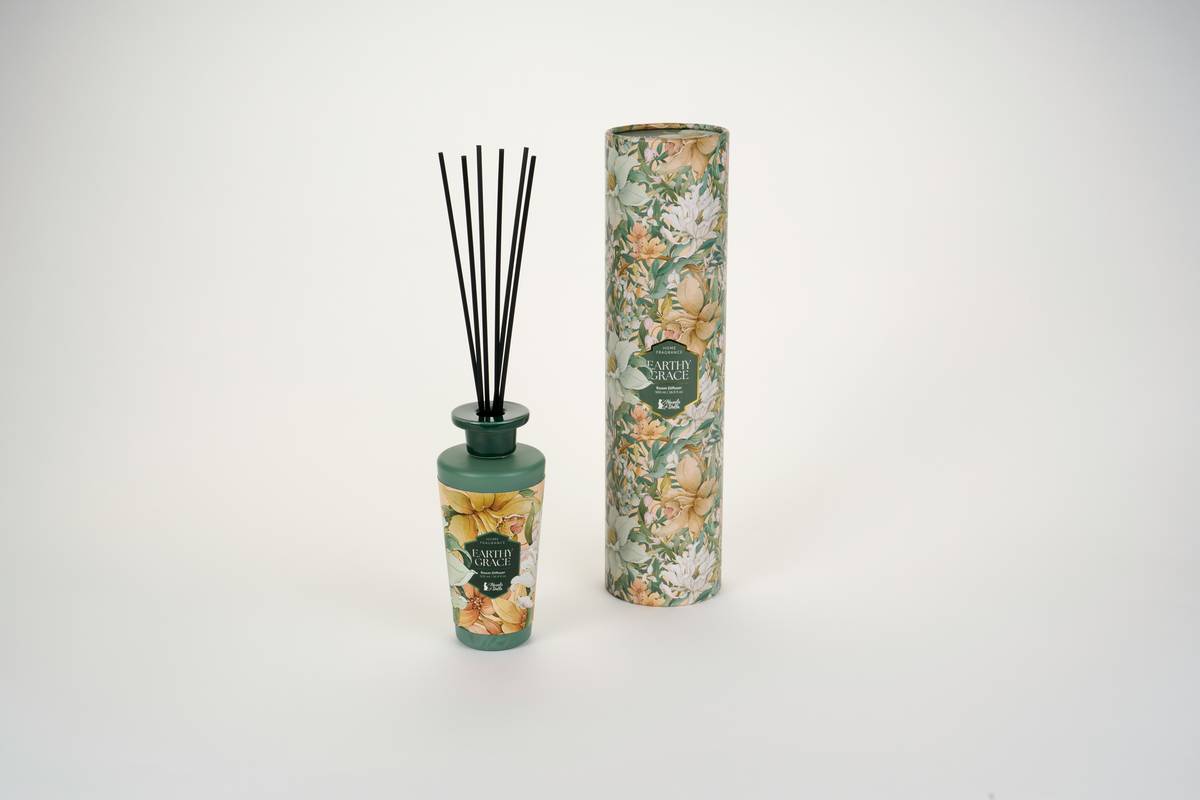
- Use passive diffusers: Simmer pots (water + citrus peels + herbs) or reed diffusers with carrier oil last longer and emit fewer particles than sprays.
- Refresh monthly: Natural formulas lack preservatives—discard after 4 weeks to prevent mold.
- Avoid “greenwashed” claims: Terms like “natural” or “green” aren’t regulated. Always read the full ingredient list.
- Ventilate: Open windows for 10 minutes daily. Fresh air is the original eco friendly option natural air freshener.
And please—skip the terrible tip of mixing vinegar and hydrogen peroxide in one bottle. Alone, they’re great cleaners; combined, they create peracetic acid, which is corrosive and unsafe for home use.
Real Results: What Happened When I Switched for 30 Days
I tracked indoor air quality using an affordable VOC monitor (Airthings Wave Mini). Day 1 reading: 850 µg/m³ (poor range). After removing all synthetic fresheners and using only my DIY citrus-eucalyptus spray, levels dropped to 210 µg/m³ by day 10—and stayed low. My partner stopped reaching for allergy meds, and our house smelled genuinely clean, not artificially perfumed. This shift also cut $18/month in recurring plug-in purchases. Small change, big impact.
At Rezenith, we prioritize evidence over hype. That’s why our recommendations align with toxicology data from authoritative bodies—not influencer trends. Learn more about our standards on our About Us page.
FAQs About Natural Air Fresheners
Are essential oils safe around pets?
Not always. Tea tree, citrus, and eucalyptus oils can be toxic to cats and birds. Use pet-safe oils like lavender (in moderation) or opt for non-oil methods like baking soda boxes. Consult your vet first.
Do natural air fresheners kill bacteria?
Some—like those with thyme or oregano oil—have antimicrobial properties, but they’re not disinfectants. Their main role is odor neutralization, not sterilization.
How long does a homemade spray last?
Without preservatives, 3–4 weeks refrigerated. Discard if cloudy or smells off.
Can I use tap water instead of distilled?
Technically yes, but minerals in tap water can shorten shelf life and promote bacterial growth. Distilled is best for stability.
Is an eco friendly option natural air freshener really better for the planet?
Yes—by avoiding aerosol propellants (often greenhouse gases), synthetic fragrances derived from petroleum, and single-use plastic. Plus, refillable glass containers reduce landfill waste.
Where can I find trusted recipes?
We share tested formulas on our site—but always verify safety. For regulatory guidance, refer to the FDA’s fragrance ingredient database.
Ready to breathe easier? Ditch the chemical fog and embrace freshness that respects your health and the planet. If you’ve tried a formula that backfired—or want help customizing one for your home—contact us. We’re happy to troubleshoot (and no, we won’t sell your email—we promise; see our Privacy Policy). Remember: clean air shouldn’t come in a can. It comes from choices.